
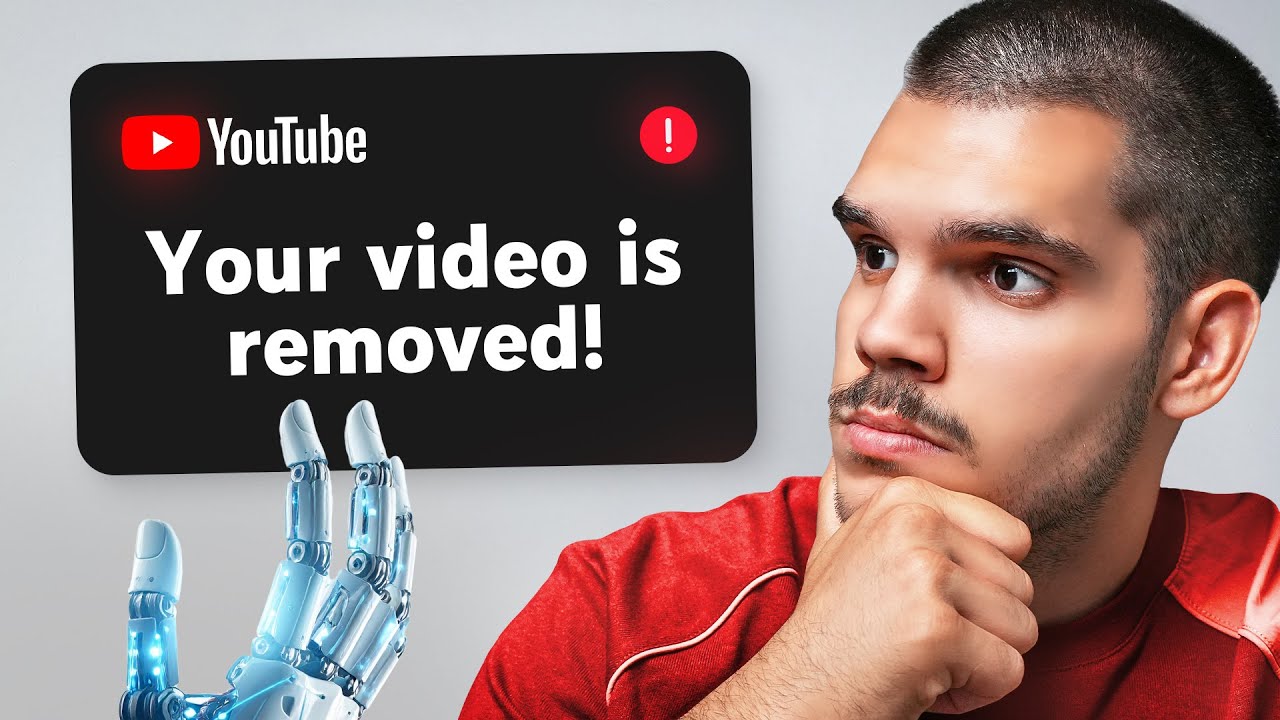
YouTube's AI crackdown does not ban AI videos. The July 15 update only demonetizes low-quality, mass-produced, unoriginal spam, so AI content that adds real value stays safe.
You have probably heard the opposite. AI voices are banned, faceless channels are dead, only real creators can make money. Most of that is noise. What actually changed is narrow, and once you see what YouTube was really trying to fix, the whole update makes sense. Here is what changed, what is safe, what is at risk, and how to protect your channel.
What YouTube actually changed on July 15
YouTube updated its monetization policy on July 15 to demonetize low-quality, mass-produced, unoriginal content. That is the whole focus. It is not a ban on AI.
The target is spam, the junk videos flooding the platform with no real effort behind them. This is about AI slop, not AI in general. If you scroll Shorts, you have seen it: endless low-effort uploads that add nothing. AI content with a real creative component was never the point.
Some people push back here. Who is YouTube to decide what counts as original or high quality? It is a fair question, but you already know bad content when you see it. And it is their platform. After more than a decade of serving videos, they get to decide what they want on it.
The misinformation is bigger than the update
Most of the panic comes from claims that were never true. The clearest example was a post claiming YouTube would only monetize creators using their real voice and fully original content.
The verified TeamYouTube account replied and called that information false. The rumor traveled further than the facts. Another widely shared claim said that from July 15, any channel that does not meaningfully transform clips would lose monetization, naming reaction channels and compilation pages. That one was fake too. Those channels are fine.
What is safe and what is at risk
Most content is completely safe. YouTube clarified that commentary, transformed clips, compilations, reaction content, faceless channels, and AI used in a genuinely creative way are all fine.
So what is actually at risk? The channels pumping out fake or stolen stories as slideshows with obviously fake narration. You know the type. Every thumbnail looks the same and is clearly AI made. The voiceover is the cartoonish robot voice anyone can spot, not a real or cloned voice. The editing is minimal, and the stories are scraped from Reddit or spun by AI. That is what gets demonetized.
Why YouTube is doing this now
YouTube acted now because AI tools got cheap and good at the same time, and the spam got out of control. Easy automation plus models like ChatGPT created content farms cranking out millions of low-effort videos that ruin the viewing experience.
There is some irony here. YouTube is cracking down on low-quality AI content while building its own AI video tool, Veo, which can already make Shorts. The same tool can produce a stunning clip or total junk, depending on who uses it.
Two business reasons sit underneath. Low-quality videos drag down watch time, and advertisers do not want their ads next to junk. Fewer good videos means less watch time, fewer viewers, and unhappy advertisers who paid for quality placements. Protecting that experience protects YouTube's revenue.
What this means if you are a business owner
If you build a brand on YouTube with faceless AI slideshows, treat this as a wake-up call. A lot of business owners avoid the camera and post slideshows of their products with a robotic AI voiceover. That is exactly the format YouTube is trying to clear out.
The fix is uncomfortable but simple: show up on camera and talk about your brand yourself. Filming is hard. It is also worth it. People do not buy products or descriptions. They buy people. A real estate agent on camera earns trust that a slideshow never will. Put your name and your face on your brand, starting with your origin story video.
3 ways to make your videos bulletproof
Use these three moves and you never have to think about the policy again.
Add real commentary
Always include real commentary or narration, at the start, the middle, or the end. For a reaction or a compilation, just say what you are doing and why. That meaningful transformation is what keeps your content safe.
Clone your own voice
Skip the generic robot voices. Use a tool like ElevenLabs, feed it about twenty minutes of your own voice, and it will produce narration that sounds like you, not like a 2020 text-to-speech bot.
Use common sense
If you are not sure your content is good enough, the answer is no. Add more value, more personality, and more real transformation, and the doubt goes away.
The truth about YouTube's AI crackdown
Here is the bottom line on the YouTube AI crackdown. If your video entertains or educates, and you use AI to help make it, you are safe, because you are adding real value.
YouTube is not at war with AI videos. It is at war with low-quality, mass-produced slop, and that is overdue. Make something worth watching and the update never touches you. The surest way to do that is to build video ideas that sell around a real problem you solve, not whatever an automated channel can scrape.